
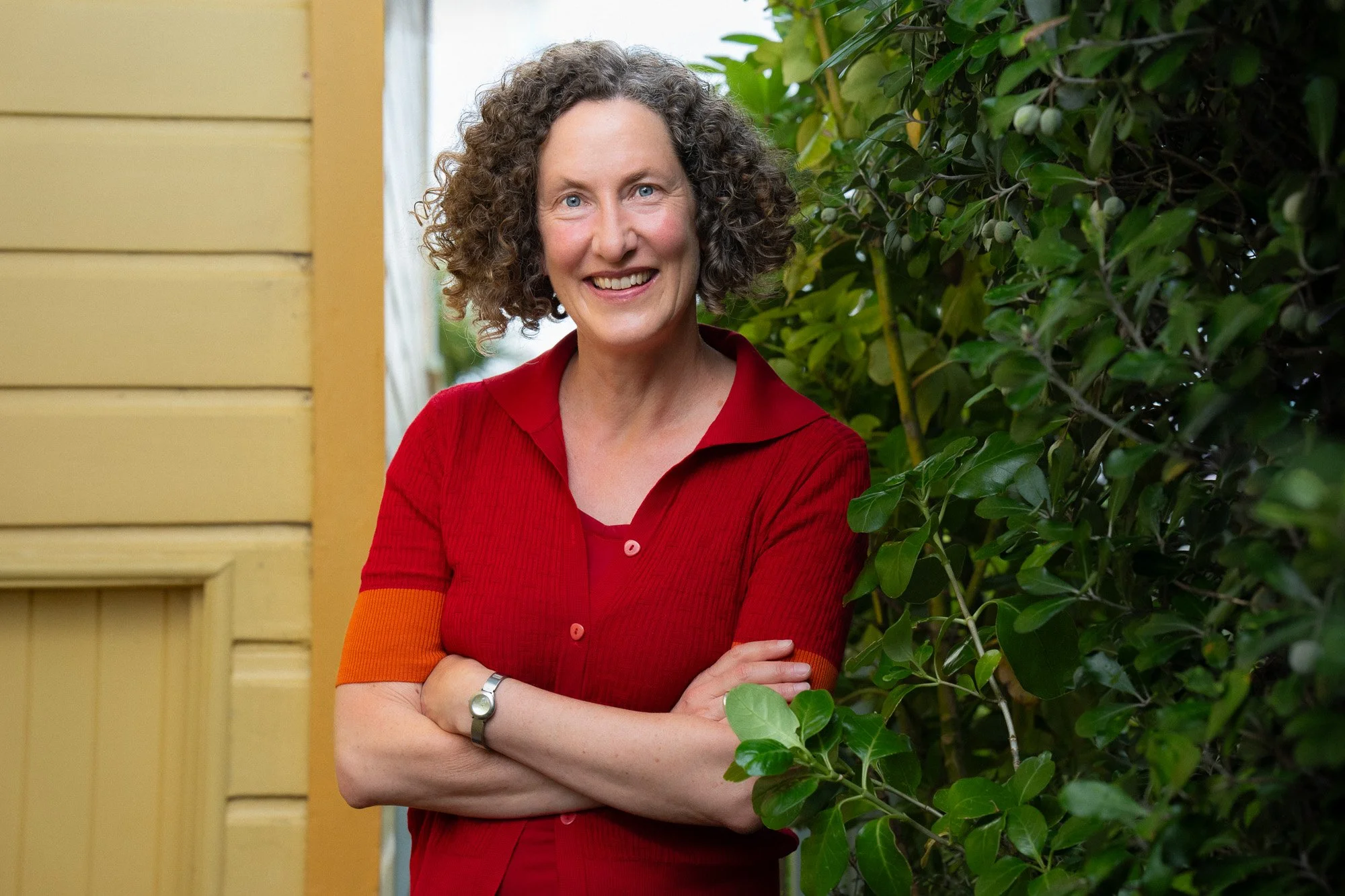
Science writer and geologist Ursula Cochran has been named the inaugural recipient of the Fleur Templeton Memorial Award for a project that will help New Zealanders manage anxiety related to living alongside natural hazards.
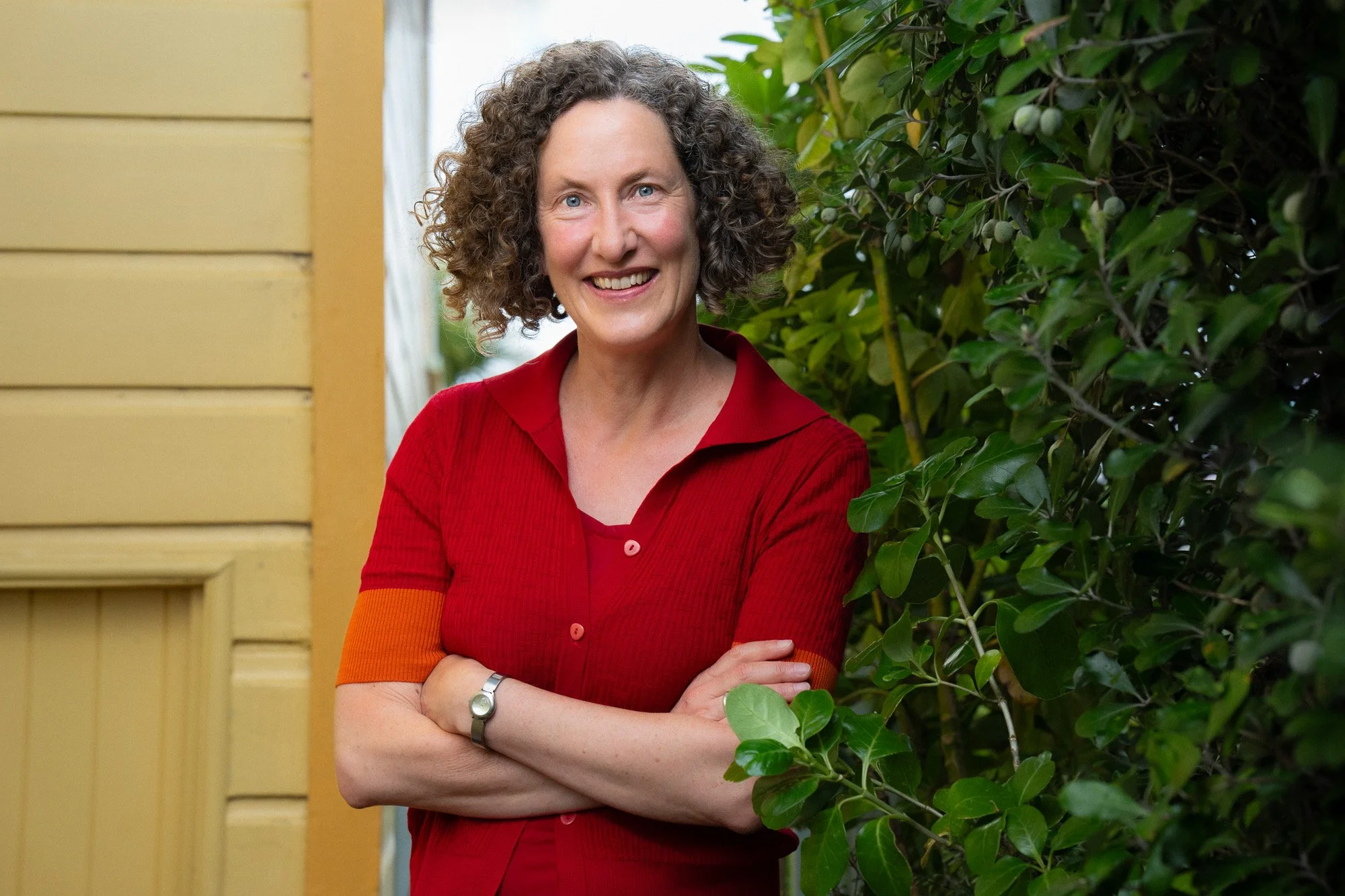
Ursula Cochran
Established by the Science Communicators Association of New Zealand (SCANZ) in partnership with the Natural Hazards Commission Toka Tū Ake (NHC) in 2025, the $10,000 award honours the legacy of Fleur Templeton, a long‑time SCANZ member and highly respected science communicator, and recognises excellence in communicating natural hazard risk reduction and resilience in Aotearoa New Zealand.
Ursula says receiving an award in Fleur’s name is deeply meaningful.
“I didn’t know Fleur personally, but from everything I’ve heard, she was someone who lifted people up and helped others shine. I’m pleased there’s an award to help her legacy live on, and I feel honoured to have the opportunity to do science communication in her name.”
Ursula has a long track record of communicating earthquake and tsunami science in ways that are accurate, engaging and grounded in the realities New Zealanders face.
She has written extensively about earthquake resilience and is known for combining scientific credibility with a human-centred style that helps people connect with risk and understand what they can do about it.
Ursula brings deep experience from her 18 years as a research scientist in the earthquake geology team at GNS Science (now Earth Sciences NZ), where she helped discover evidence of past large earthquakes and tsunami at the Hikurangi Subduction Zone, and co-led research developing the long earthquake record on the Alpine Fault.
“My career has spanned a time when most New Zealanders didn’t know the Hikurangi Subduction Zone existed, to a time when many people living on the East Coast will have heard of it - and will know a tsunami could arrive within minutes of a large earthquake.
“Turning knowledge into action is empowering, and I never miss an opportunity to link people to preparedness measures they can take immediately.”
She also contributed to scientific responses to the 2003 Fiordland earthquake, 2011 Christchurch earthquake, and the 2016 Kaikōura earthquake, and has since continued to support public understanding through freelance science writing for organisations and outlets including Te Hiranga Rū QuakeCoRE, AF8, The Spinoff and Newsroom.
Ursula will use the award to develop a preventative wellbeing-focused resource centred on “living healthily with natural hazards”. It will explore proactive mental health and resilience strategies for people living with earthquake risk.
“I would love to create something that gives people a sense of agency over their own health and wellbeing in the face of natural hazards.”
She plans to profile a range of Wellingtonians, capturing diverse perspectives and practical strategies that can help people feel a greater sense of agency and preparedness. Ursula will work with a clinical psychologist and experts in emergency management and natural hazards science to develop the resource, which will be free to access.
Ursula will also use part of the grant to strengthen her skills in supporting wellbeing and resilience, including training in Mental Health First Aid.
She will present more about her project at the SCANZ Conference in Christchurch this 25-26 June.
NHC Head of Research Dr Natalie Balfour says the Commission funded the award because science communication plays a crucial role in ensuring research translates into real-world benefit for communities.
SCANZ President Kati Doehring congratulates Ursula and extends the organisations’ thanks to everyone involved in making the inaugural Fleur Templeton Memorial Award a success:
“Ursula’s work reflects the spirit of Fleur Templeton, combining generosity, clarity, and a deep commitment to public understanding - ka pai Ursula, we’re so pleased to support your work.
“We received so many fantastic applications from passionate communicators all across the motu, and we sincerely enjoyed reading each and every one of them. Thank you.
“We’re also grateful to NHC for funding this award, allowing us to celebrate communicators whose work helps communities live well with risk.
“Finally, thank you to Fleur’s family, who has been incredibly supportive throughout this process.”
Ends
Read more about the Fleur Templeton Memorial Award.
Interview with Ursula Cochran
What inspired you to apply for this Award?
When I read about Fleur’s work not only in natural hazards, but also in health communication, this award felt like a perfect match for where I’m at in my career. I strongly believe that we can all (individually, in communities, and nationally) take a more proactive approach to health that can put us in a resilient position for facing natural hazard challenges. I also know that people are resourceful and imaginative and everyone has different resilience-boosting stories and strategies, so I want to create a resource that captures some of that in the hope of inspiring each other.
You work in natural hazards research and communication, so you’re constantly reminded of the risks we face. What strategies do you use to keep anxiety in check?
Being a geologist helps me remember that processes like earthquakes, tsunamis, and eruptions are integral to how Earth operates. We humans have the incredible privilege of being alive on this planet so it’s up to us to work out how to live sensibly with these challenges. I find this big picture perspective very comforting. At an individual level, I try to use any anxiety that pops up as an invitation to take a new preparedness action. That way I build confidence in my ability to cope rather than dwelling on the worry.
What’s something you hope that reader might gain from engaging with your resource?
I would love to create something that gives people a sense of agency over their own health and wellbeing in the face of natural hazards. I would like readers to enjoy a range of creative perspectives from New Zealanders sharing their attitudes and approaches to earthquakes. Hopefully it will reinforce that while we all have different responses to risk, we’re not alone in the risks we face.
What does it mean for you to win an award in Fleur Templeton’s name?
I didn’t know Fleur personally, but from what I’ve heard of her, I respect her greatly. I remember Sarah-Jane O’Connor closing the 2024 SCANZ conference by talking about Fleur and asking whether we can all be more like her, whether SCANZ can be more like her. To paraphrase from my notes, “Fleur was always lifting people up. She was good, kind, happy, friendly, supportive, patient, joyful, generous, and relaxed.” I remember hearing those words and thinking, “Yes! Wouldn’t the world be a better place if we were all a bit more like Fleur?!” So, I’m pleased there’s an award to help her legacy live on and I feel privileged to have the opportunity to do some science communication in her honour.
Like Fleur, you’re a long-term member of SCANZ. What do you value most about being part of this community?
When I started freelancing as a science writer, I looked for relevant professional communities to join. I went to one day of a SCANZ conference in Wellington and was excited to discover how welcoming, inclusive, and interesting the meeting was. My mind was opened to the diverse range of science communicators – storytellers, illustrators, journalists, scientists, marketers, videographers, engagement specialists, actors, writers – there are so many skills that can be used to bring science alive. Now I regularly attend the networking nights knowing I’ll be among friends and exposed to some good conversations.
Thank you to SCANZ and NHC and the Templeton family for creating this excellent tribute to Fleur and trusting me to make good use of it. I’d also like to thank Te Hiranga Rū QuakeCoRE, AF8, The Spinoff, Newsroom, and others for commissioning and/or publishing my science writing over the years.