

Our People
SCANZ is run on behalf of its members by the Executive Committee, a set of volunteers who are responsible for organising the strategic plans, events and publicity relating to SCANZ.
SCANZ Executive Committee
Katharina (Kati) Doehring - President
Nina Vidović - Secretary
Jodie Evans - Treasurer
SCANZ Executive Committee
Kati Doehring - President

Dr Katharina (Kati) Doehring is a science communicator and freshwater ecologist at the Cawthron Institute, Aotearoa New Zealand's largest independent science organisation. Kati is passionate about creating meaningful, positive impacts, particularly by empowering people to take action in restoring and protecting New Zealand’s freshwater environments. With a PhD in Science Communication, she specialises in using storytelling to make complex science accessible—particularly in the context of freshwater restoration. Kati is dedicated to connecting people and fostering inter- and cross-disciplinary collaborations, and she is excited to grow these connections both within and beyond the Science Communicators Association of New Zealand (SCANZ) as its president.
Nina Vidović - Secretary

Nina is a senior science communicator at the Natural Hazards Commission, where she works with researchers to tell stories of how science and research is helping New Zealand prepare for its natural hazards. She studied biology and maths at Canada's University of Waterloo, during which she worked in toxicology, genomics and physiology labs before realising she much preferred writing about other people's research over doing it herself. This led her to a career in comms and a Masters of Science in Society from Te Herenga Waka –Victoria University of Wellington. She loves helping researchers bring their science to new audiences.
Jodie Evans - Treasurer
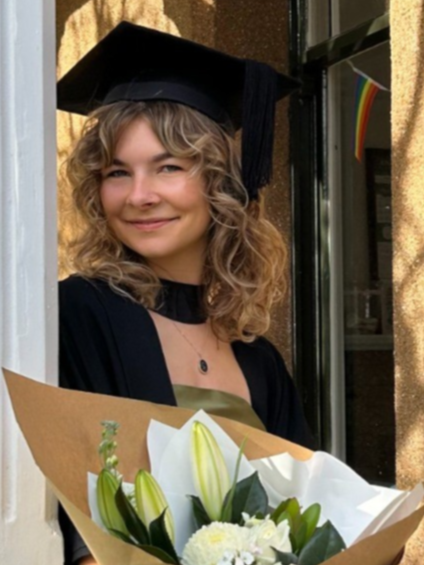
Jodie is a science communicator at Auckland Zoo with a Master’s in Science Communication and a BSc in Zoology. She is passionate about translating scientific research into compelling stories that engage, inform, and inspire action for Aotearoa New Zealand’s natural environment.
Jodie has experience across interpretation, journalism, science communication research, and podcasting. She enjoys finding creative ways to make science more accessible, with a particular soft spot for using humour in her work. Always looking for an opportunity to put pen to paper, writing remains her tool of choice.
Ana Podolyan
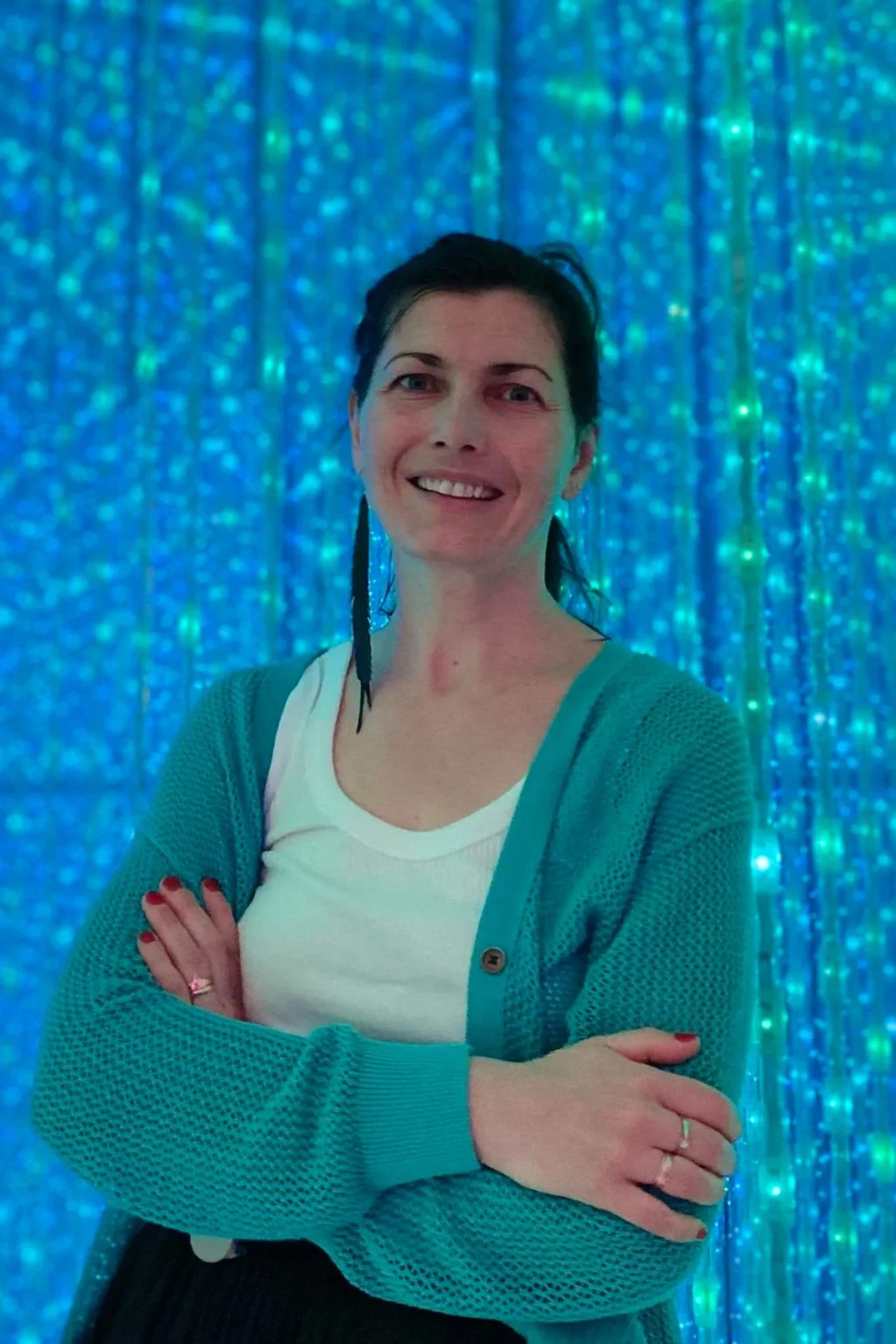
A scientist by training, Ana has been working in research and development molecular laboratories for the last two decades. Her endeavours into science communication started in 2022, when she wrote her first science stories featuring ongoing molecular research. This and other science communication content she produced since across multiple channels, encouraged her to undertake further studies in Science Communication. Through studies, she discovered her creative side and science communication is now her new passion!
Anna Tribe
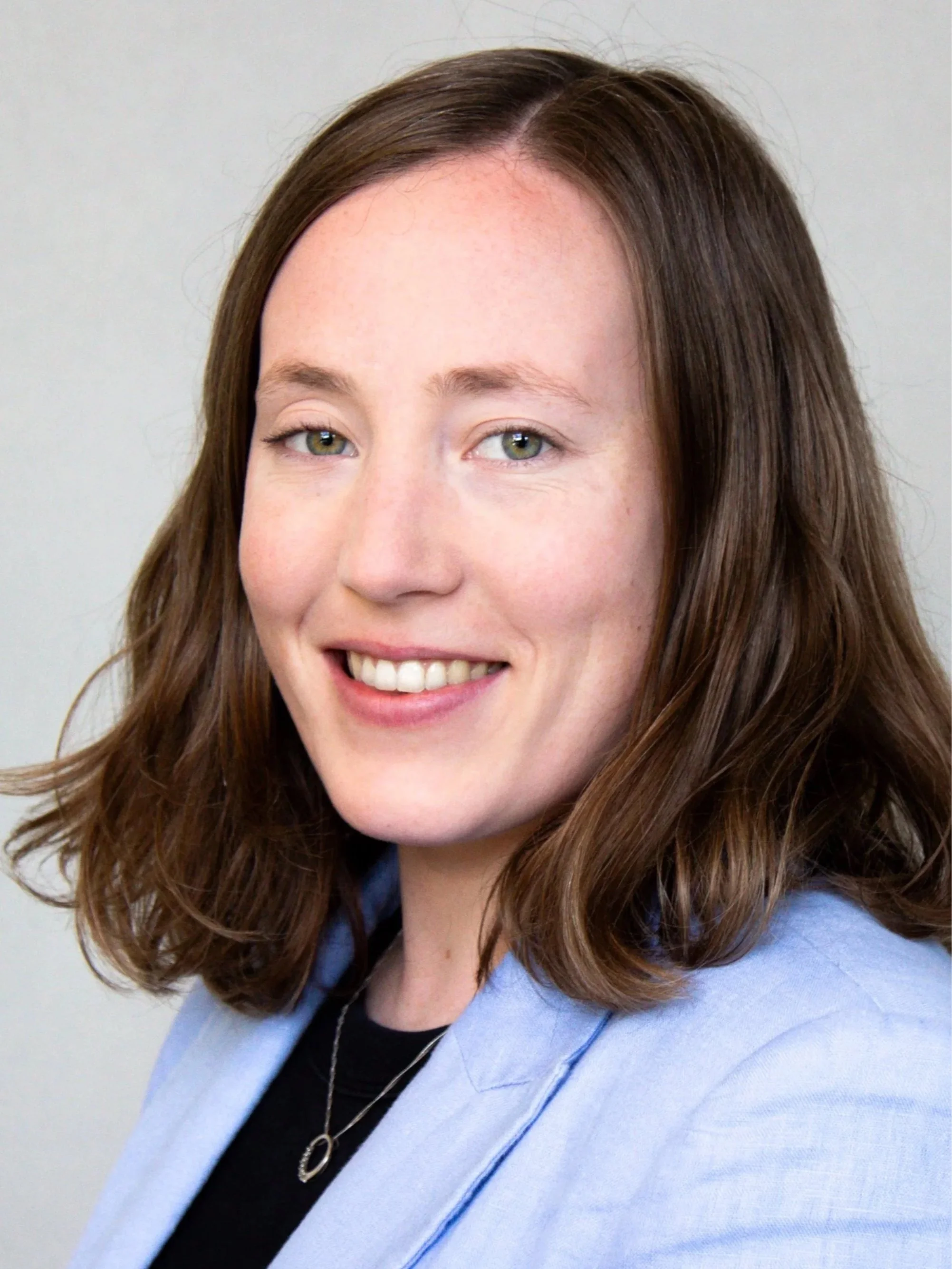
Anna is a Media Advisor at the Science Media Centre, where she works with journalists and researchers to improve science coverage in the media. She has a background in biomedical science, specialising in cancer research and cell and molecular biology.
She completed her PhD at Victoria University of Wellington, with research focusing on therapy resistance in brain cancer, before accepting a Postdoctoral Fellowship at AstraZeneca in Cambridge, UK, to study the epigenetics of drug resistance in lung cancer. As well as science, Anna is passionate about writing, and science communication is the perfect way to combine these two interests.
Catherine Kirby
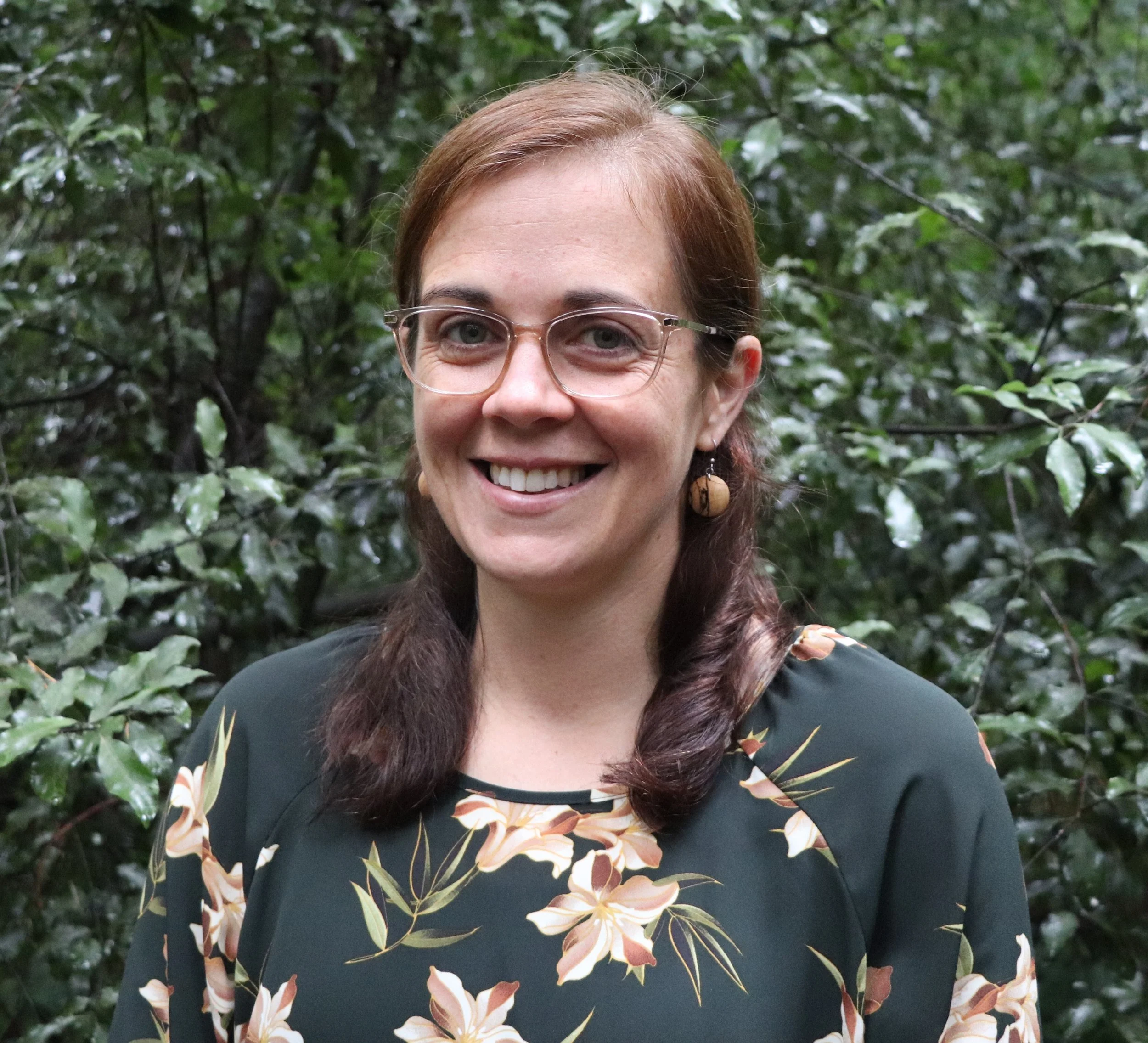
Catherine is a freelance Science Communicator at Bryter Science. She has a Masters degree in science (ecology) and 15 years experience in science translation, knowledge transfer and engagement. Catherine loves to develop creative solutions that enhance the impact of science initiatives, especially for the benefit of Te Taiao. She has worked with academic research programmes, national science challenges, environmental consultancies, local government, community groups and more.
Jana Makar

Jana is the Communications Manager for Research and Education Advanced Network New Zealand (REANNZ). Previously she worked with New Zealand eScience Infrastructure (NeSI), and prior to that as a communications lead with multiple organisations in Canada’s cyberinfrastructure sector, from provincial research & education networks to national high performance computing platforms.
She is a member of the Women in High Performance Computing Australasia Chapter (WHPC AusNZ) Organising Committee and is working to build community amongst other communications practitioners across Aotearoa’s computational research sector. She has a degree in Communications from the University of Calgary and spent the early part of her career working as a newspaper journalist.
Lesley Stone
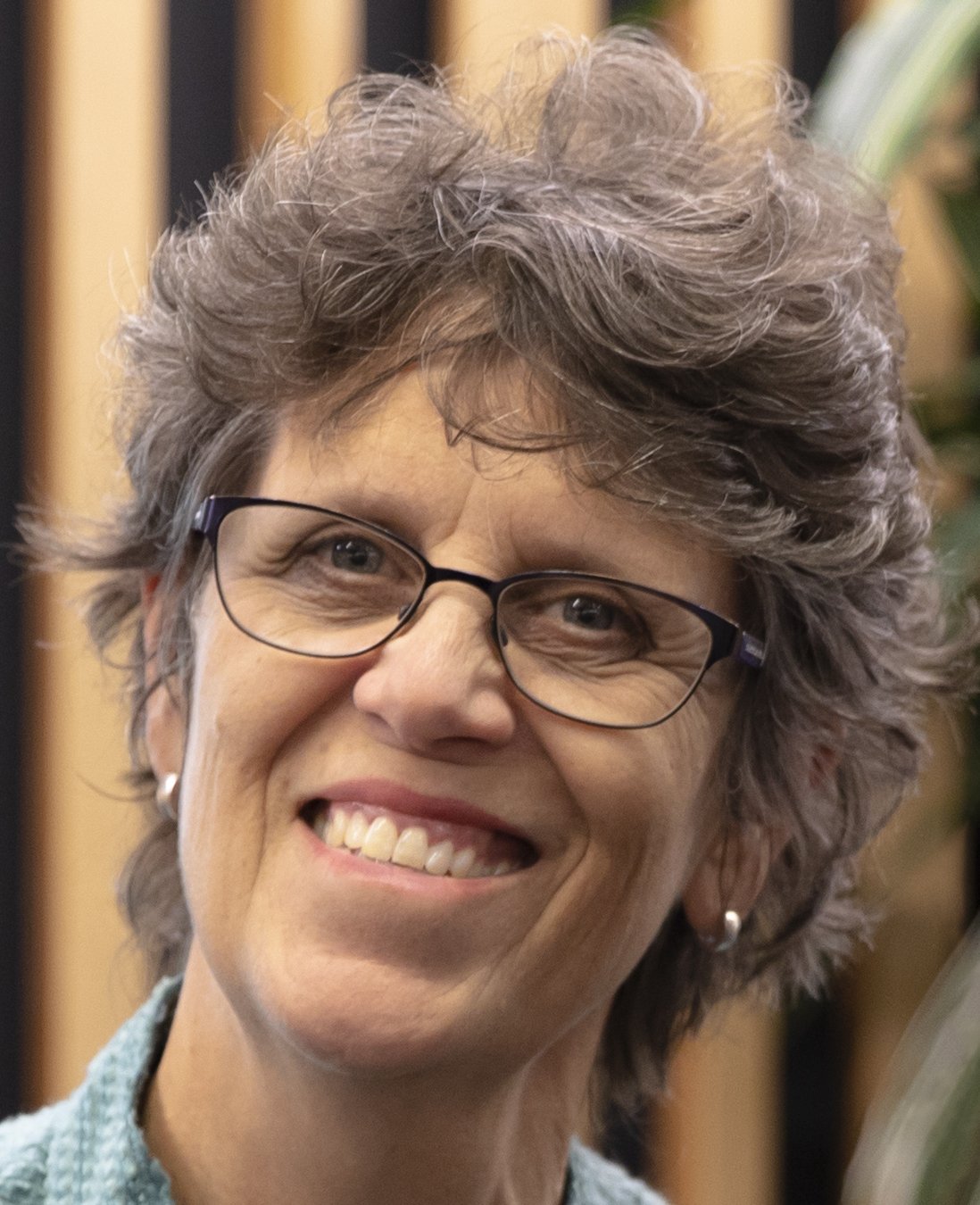
Lesley holds post-graduate degrees in ecology, environmental science and science communication. Storytelling has long played a significant role in her advocacy, teaching, research and professional practice. In fifteen years as sustainability and environment manager for the University of Auckland, she and her team used inspirational stories about staff and students’ initiatives to help embed sustainability in the organisation's values and culture. These stories contributed directly to two consecutive, first-in-the-world placings in the international Times Higher Education rankings for sustainable development impact.
Having left the university in 2021 to pursue her passion for science communication through storytelling, Lesley now focuses on independent filmmaking. She provides a platform for telling uplifting stories about conservation, environmental restoration, and the transition to humanity living in harmony with Earth’s life-supporting systems.
She's also delighted to have the opportunity to contribute to SCANZ's journey.
Melanie Newfield
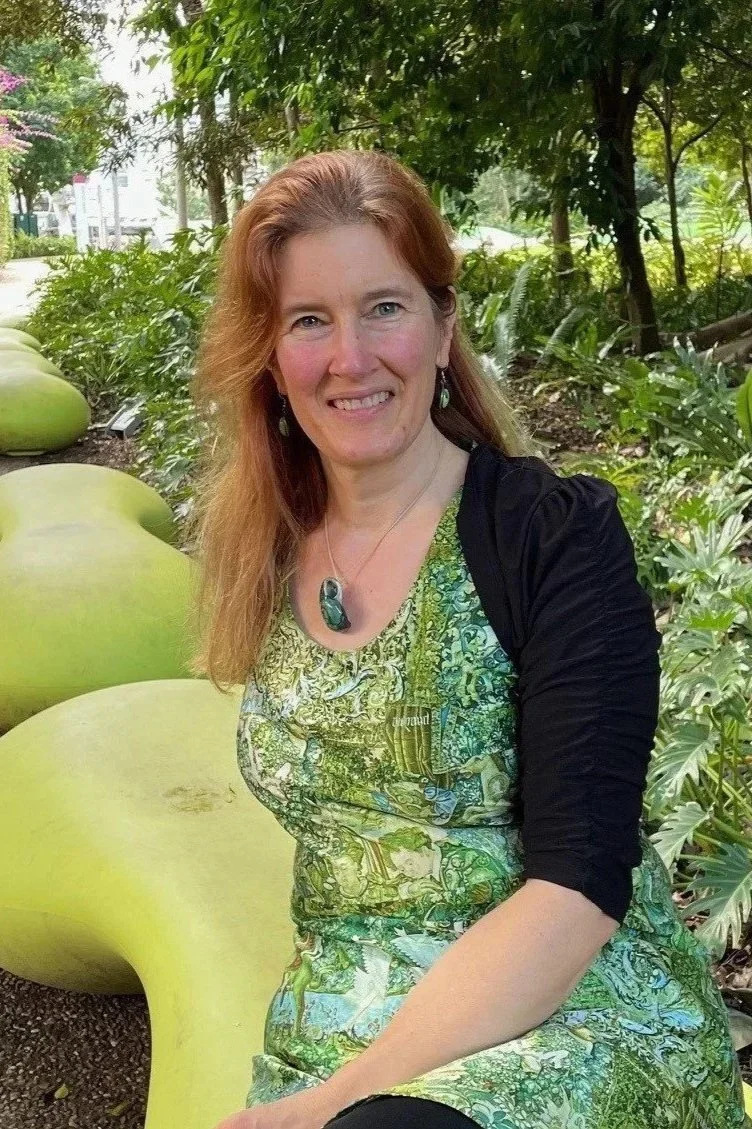
Melanie is passionate about making the science behind important issues accessible. She brings clarity to complex and controversial areas of science, such as climate change, gene technology and invasive species. She loves helping people to feel confident and well-informed when contributing to discussions and decisions on these issues. But, even more, she loves to share her curiosity and sense of wonder, to show others what she sees when she looks at the natural world.
Melanie has more than 20 years experience analysing and communicating science to inform biosecurity and conservation decisions in the Ministry for Primary Industries and Department of Conservation. She’s designed and delivered training courses for the UN Food and Agriculture Organisation and the Dark Times Academy, researched decision-making for the Bioheritage National Science Challenge and has advised about invasive species in some of the world’s hottest and coolest places.
For the last five ½ years, Melanie has been writing The Turnstone, a Substack newsletter where she’s covered topics from vaccine misinformation to toxic mushrooms to livestock manure. She co-edits the Glean Report, where she publicises science, environment and humanties events in Wellington and online in New Zealand. Melanie also does freelance writing, reviewing, research and training. As well as publishing around articles for The Turnstone, she’s had articles and essays published in North and South, Scoop and the essay collection Otherhood: essays on being childless, childfree and child-adjacent. She is currently working on a historical novel with the support of a mentorship from the New Zealand Society of Authors.