
Meet our speakers
Here are some of our speakers that joined us SCANZ 2026, including keynote speakers, award recipients, and invited speakers contributing extended sessions.
keynote speakers
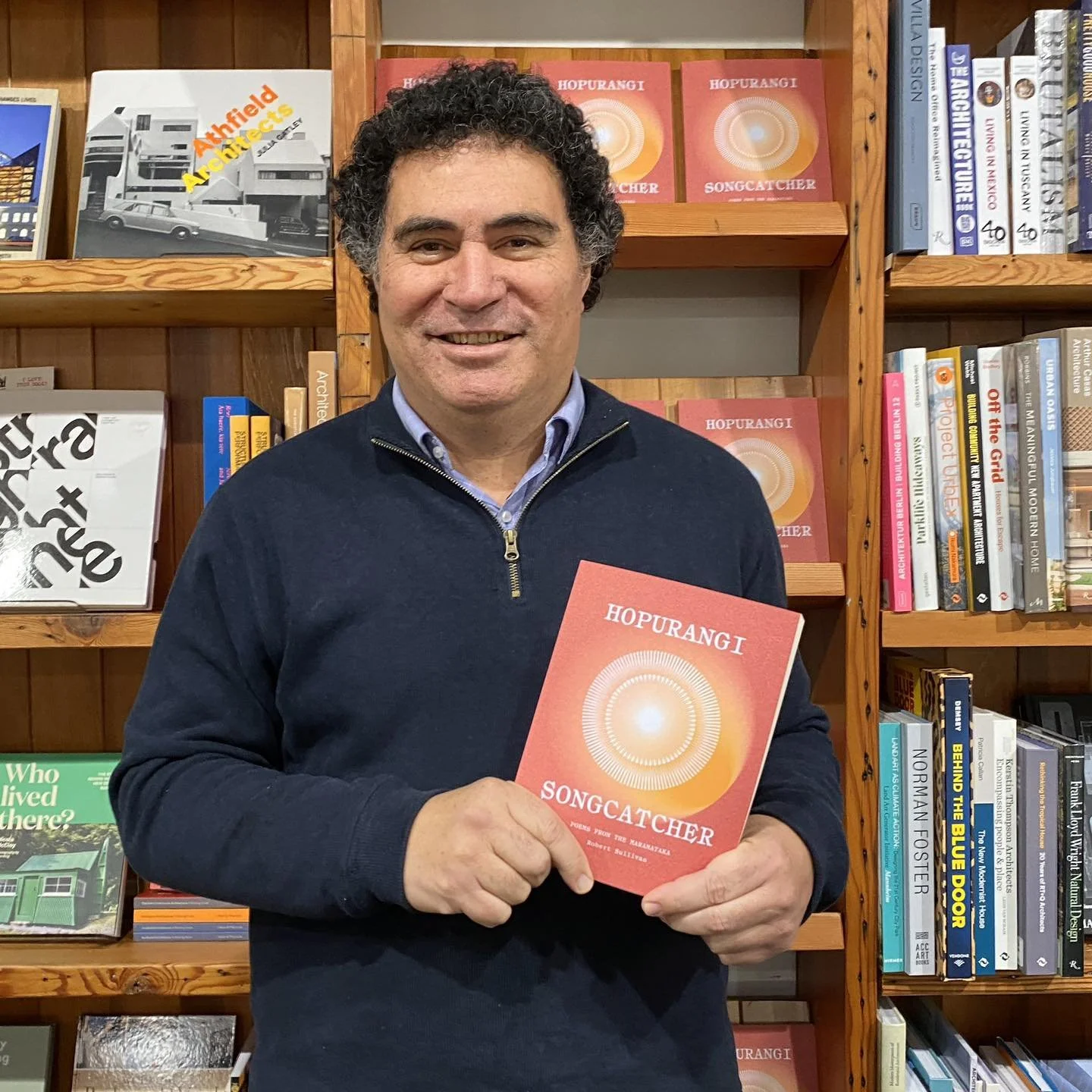
Dr Robert Sullivan
Dr Robert Sullivan
“A tale of two trees: mātauranga and a regenerative poetics of ecology”
This keynote is a survey of Māori centred perspectives on the environment, centred on a tōtara at Tōtara Estate in North Otago, and a kauri in Northland. It reflects on recent work by practitioners of mātauranga Māori primarily focused on the taiao or environment, and historical consequences of colonial scientific practices. Intersections between current and historical perspectives of mātauranga Māori, soil ecology, regenerative forestry, and allied restorative efforts will be explored.
About Robert
Dr Robert Sullivan’s bestselling Hopurangi—Songcatcher: Poems from the Maramataka (Auckland University Press) was shortlisted for the Mary and Peter Biggs Award for Poetry at the 2025 Ockham New Zealand Book Awards. His other shortlisted books include the epics Star Waka and Captain Cook in the Underworld, and the Polynesian poetry anthologies Whetu Moana, and Mauri Ola coedited with Reina Whaitiri and Maualaivao Albert Wendt. Whetu Moana won the Montana NZ Book Award. His children’s book Weaving Earth and Sky, illustrated by Gavin Bishop, was the New Zealand Post Book of the Year. The Māori poetry anthology he coedited with Reina Whaitiri, Puna Wai Kōrero, won the creative writing award in the Ngā Kupu Ora Māori Book Awards. He is an Associate Professor of Creative Writing at Massey University, and President of the New Zealand Poetry Society. Robert belongs to Ngāpuhi and Kāi Tahu iwi. His poetry speaks to an idealised, empowered New Zealand society for all and addresses the people who live there in the future. He is the current Aotearoa New Zealand Poet Laureate.
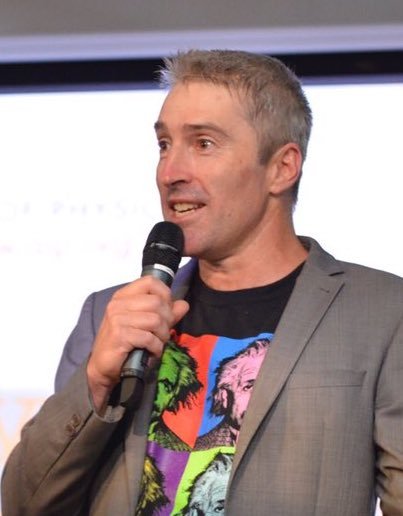
Dr Phil Dooley
dr phil dooley
“The challenges of science communication in modern Australia”
Science Communication is an inherently hard challenge, because it’s about connecting groups with different values. Add to that the specific challenges of this particular moment in time, such as misinformation, funding uncertainty and AI, and you’d have to be a bit crazy to take it on as a career.
This talk brings an Australian perspective on the sector, from the President of Australian Science Communicators, Dr Phil Dooley – who’s doing what, and is it successful – including such programs as Inspiring Australia, Science Meets Parliament and CSIRO’s ConnectSci. He’ll conclude with specific and generic tips to work towards and end on a high note.
About Phil
Dr Phil Dooley is a science entertainer, writer and trainer under the banner of Phil Up On Science. He is also Manager of Communications for ANU Physics (part-time) and has worked for ANU media office, USyd Physics and at JET nuclear fusion experiment in UK.
He became President of Australian Science Communicators in December 2024, having been involved with ASC for over 20 years.
He’s written for Cosmos Magazine, New Scientist, the American Institute of Physics and more and has been selected for the Anthology of Best Australian Science Writing three times.
He’s performed his own brand of science, music and comedy in science shows and festivals around the world including Glasgow, Sydney and London. He has run training courses, made videos, written for, and organised pub gigs for ARC Research Centres, Professional Organisations, NGOs, Industry and University Departments. The pub gigs now number over 50, across six cities across Australia; while most have been on physics there have been many other topics, including food and death!
He has a PhD in Laser Physics and Cert IV in Workplace Assessment and Training.
Dr Bronwyn Hayward
prof bronwyn hayward
“Why saying ‘just trust the science’ isn’t working: How to talk about research insights across polarised politics”
In the past decade we’ve seen the rise of climate protests and calls to ‘just trust the science,’ but all science is contested and how we apply research evidence can shift the focus of debate or reframe a problem, so it’s not unreasonable that the public wants to know what values drive our research and what impacts we foresee. The days when a scientist could say, I just do the research, are long gone, if they ever existed. But does that mean scientists have to be ‘activists’ now? In this presentation I reflect on ways to navigate the deeply politicised context in which our research takes place.
The work of SCANZ is important giving growing attention on science communication as a core part of research design and impact, not simply something that happens after the work is done. Reflecting on increasingly polarised climate politics, I examine how researchers can communicate evidence democratically, in ways that resonate with a wider public navigating uncertainty, identity, and political division, with integrity, and foresight.
About Bronwyn
Dr Bronwyn Hayward MNZM FRSNZ is a Professor of Political Science and International Relations at the University of Canterbury, where she directs the Hei Puāwaitanga Sustainable Citizenship and Civic Imagination Research Group. A leading voice in climate, sustainability, and youth politics, she has contributed as both lead author and coordinating lead author to multiple IPCC reports, including the Special Report on 1.5°C and the AR6 Synthesis Report—work that shapes how global climate stories are told. Her research spans democracy, environmental change, and intergenerational justice, and she collaborates on international projects such as CUSP and Adaptation Futures 2025, offering rich insights for communicators working to engage diverse publics on climate and sustainability issues.
SCANZ AWard speakers
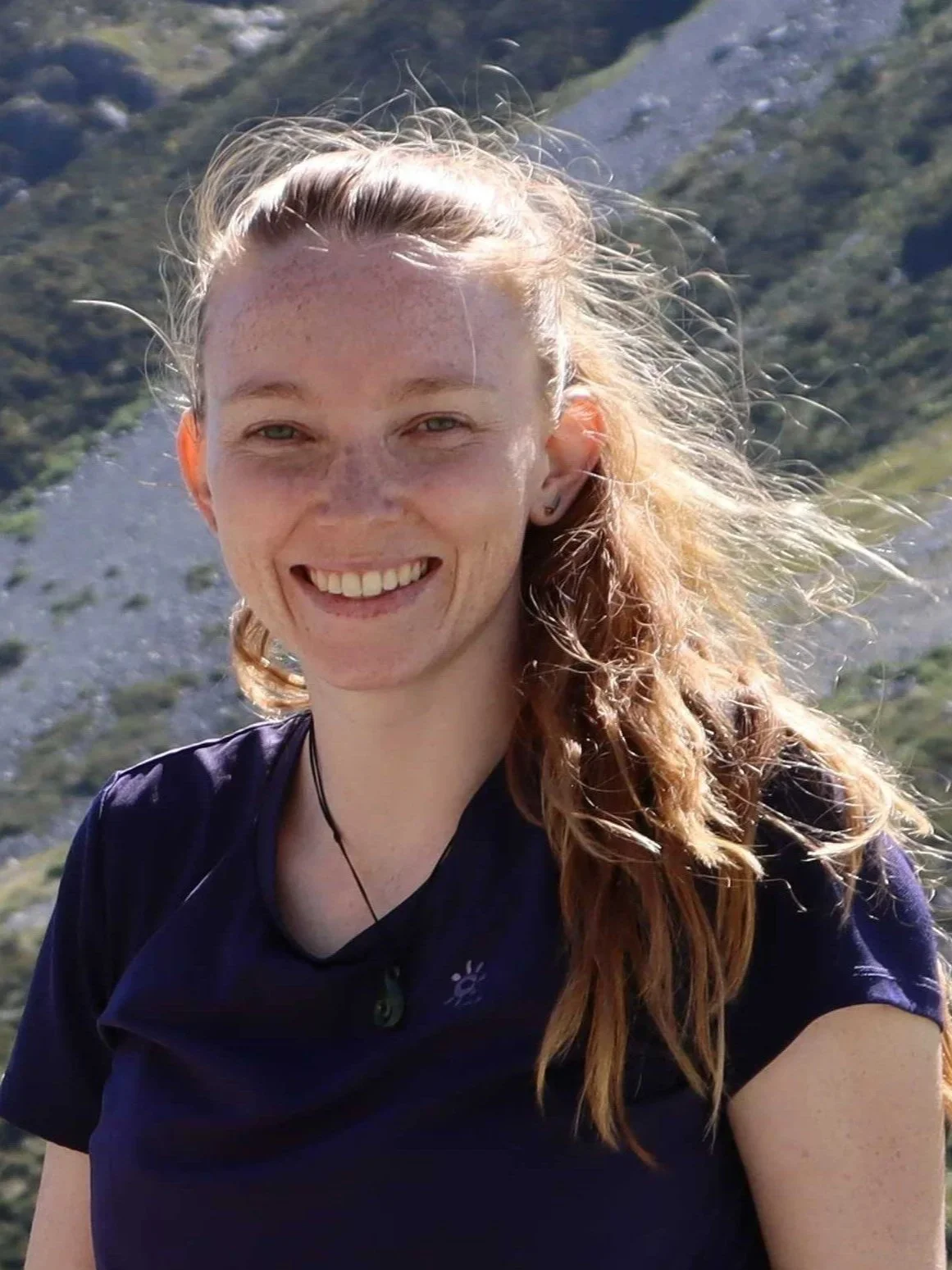
Sian Crowley
Sian Crowley
“From curiosity to care: regenerating nature connection through creative, science-informed communication”
Regenerating our relationship with te taiao begins with a spark of curiosity, the moment someone pauses, notices, and starts to wonder. In this presentation, I share how I’ve centred that spark in my work, using creative, science-informed communication to help communities move from curiosity to genuine care.
Drawing on more than a decade in conservation and environmental education, I explore how weaving storytelling, design, photography, and hands-on learning can make scientific ideas accessible, relatable, and memorable. Through The Seed Pod, the social enterprise I founded in 2023, we bring these elements together to create free educational resources, co-created science-communication comics with illustrator Maya Templer, school programmes, and a podcast series that celebrates nature connection.
I’ll share insights from engaging tens of thousands of learners, including what sparks curiosity and connection with nature, how creative storytelling and immersive experiences foster deeper engagement, and how co-designed, place-based programmes can regenerate people’s relationships with te taiao in a world of environmental overwhelm.
This session invites participants to consider how creativity, narrative, and community-centred practice can support a science-informed future, not just by sharing knowledge, but by nurturing the curiosity, care, and connection that motivate long-term action for our natural world.
About Sian
Sian Crowley is the winner of the 2025 SCANZ Excellence in Science Communication Award. She established The Seed Pod in 2023— a social enterprise that brings together her photography, design, and environmental education to foster deeper nature connection. Through The Seed Pod, she creates free environmental resources, collaborates on science communication comics with illustrator Maya Templer, delivers school and community programmes, and produces a successful nature connection storytelling podcast with 40 episodes.
Anna Yeoman
Anna Yeoman
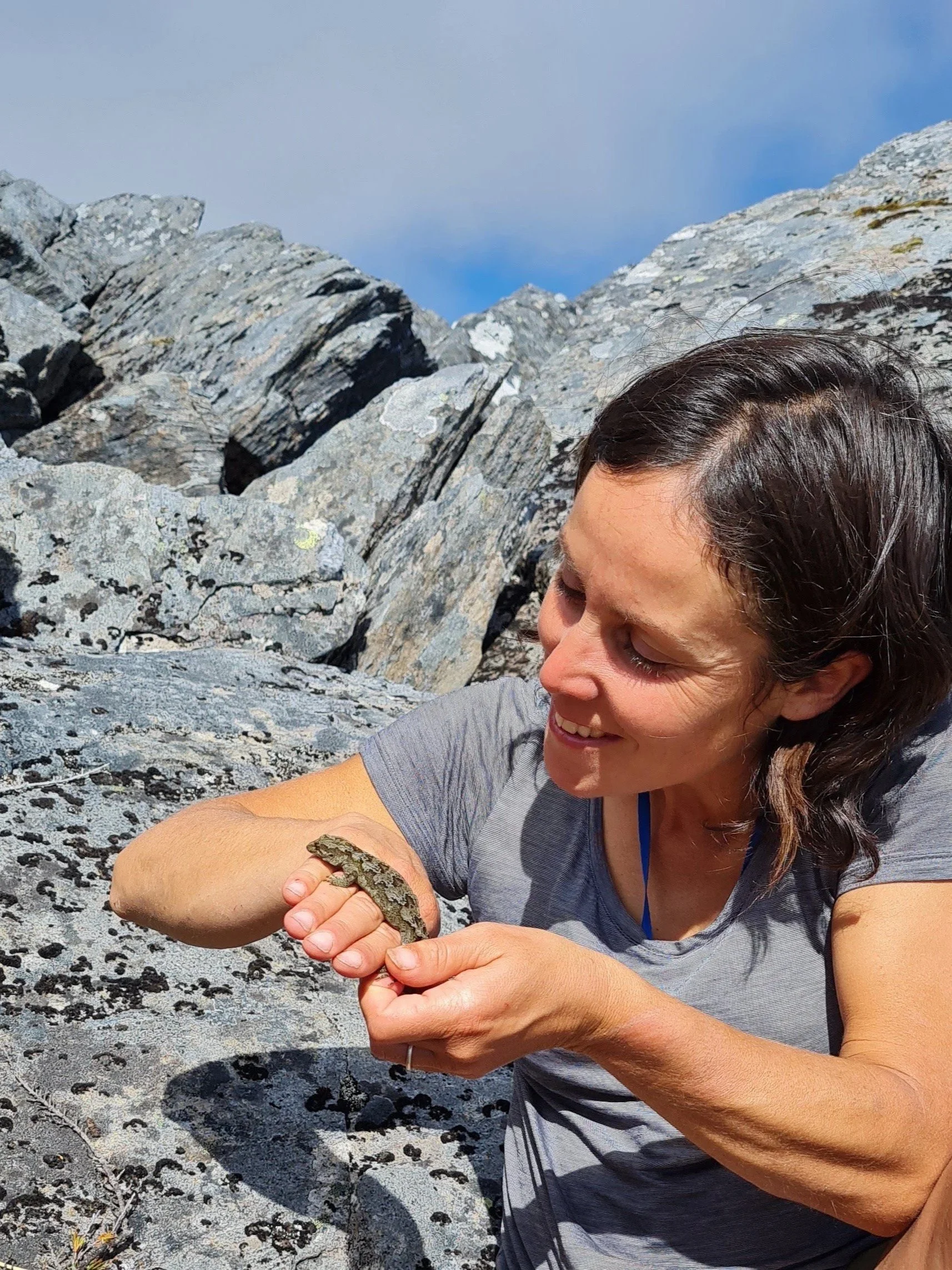
“Learning to share lizards”
When I saw a gold-speckled skink on a rock bluff, and it turned its head to look at me, my journey in science communication was set in motion. An internship at a lizard sanctuary introduced me to two things: a subject that needed to be communicated, and a community encouraging me to do so. Over the following five years, I combined university study with freelance writing and public speaking in a bid to increase New Zealanders' engagement with their native lizards. My work centred on sharing human stories of the drama of lizard discoveries, research projects and conservation efforts, to bring New Zealand’s lizard fauna to life in a way people could relate to.
The field of science communication is changing in multiple, fascinating ways, yet within it the notion of authenticity will remain important – possibly increasingly so. I think there will always be a place for local, grounded voices and experiences, and I’m seeking to share this in my work – tangible, positive things people can get excited about in their own backyards.
About Anna
Anna Yeoman is the winner of the 2025 SCANZ Emerging Science Communicator Award. She is a mother, freelance writer and conservation ranger living in Alexandra, Central Otago. Having recently completed a Postgraduate Diploma in Science Communication through the University of Otago, Anna has been writing for magazines like New Zealand Geographic and North & South. Her book, Geckos & Skinks: The Remarkable Lizards of Aotearoa, was published in 2024. While her greatest passion is non-fiction writing, Anna has also dabbled in film-making, graphic design, children’s education and public presentations to engage with wider audiences and share subject matter in engaging ways.
Ursula Cochran
Ursula Cochran
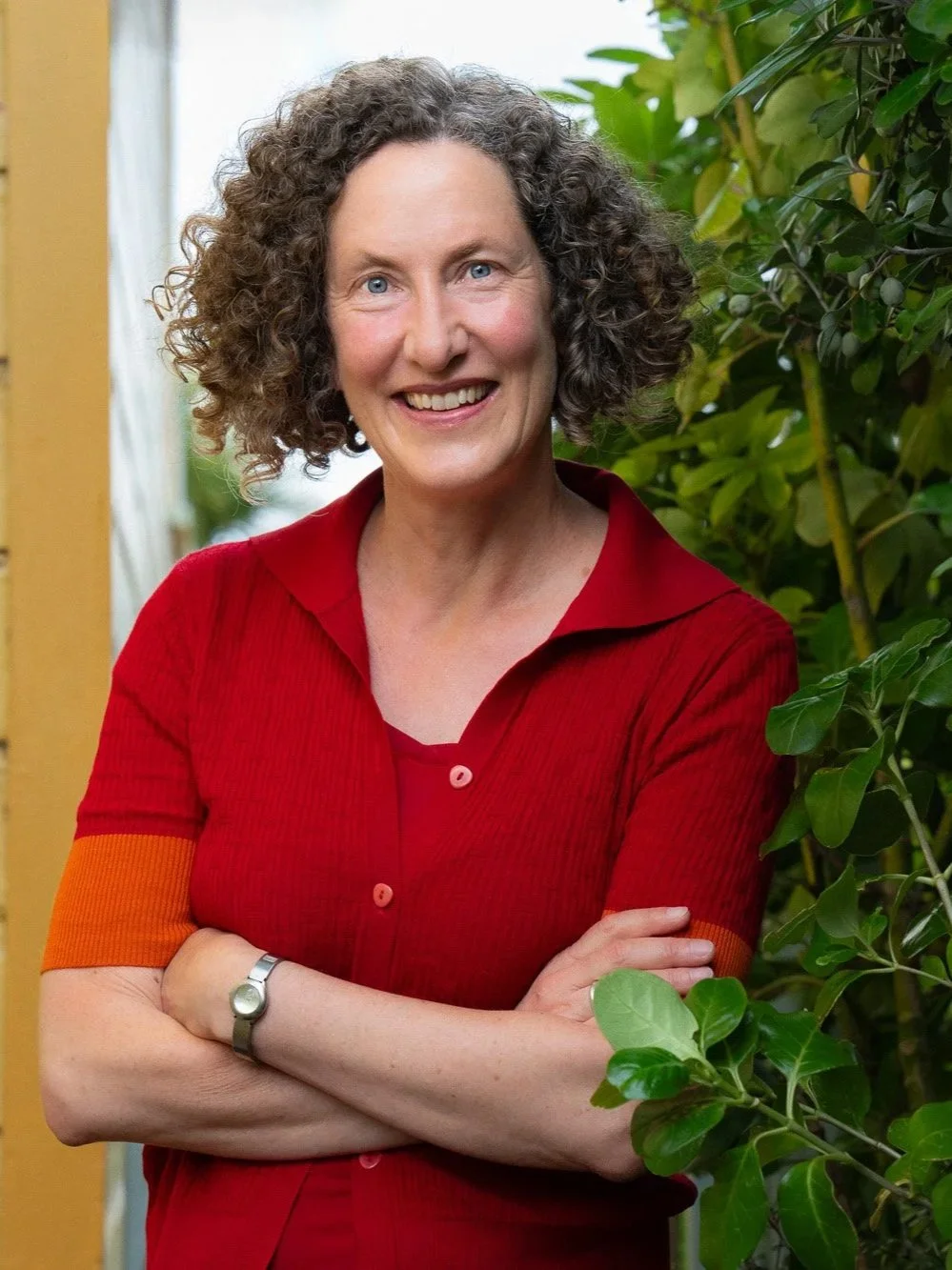
“Living healthily with natural hazards”
Aotearoa New Zealand is renowned for the diversity of stunning landscapes that are packed into a tiny country. The challenge for humans is that the tectonic forces that bring about such beauty are also packed into a small land area – so there are not many places for Kiwis to inhabit that are free from natural hazards. However, there are many ways that we can live wisely with natural hazards and minimise their impact on people and the built environment.
One powerful way to make Aotearoa New Zealand more resilient is to improve the physical and mental health of our population. Christchurch-based research shows that the healthier people are prior to natural hazard events, the better their outcomes afterwards. So, what can we do to proactively look after our health and set ourselves up for a fast and full regeneration post-event?
In this talk Ursula will outline plans for her Fleur Templeton Memorial Award project. She will take us on a whistle-stop tour through some of her most memorable interactions with earthquakes (modern and ancient) and what she has uncovered about living healthily with natural hazards.
About Ursula
Ursula Cochran won the inaugural Fleur Templeton Memorial Award from SCANZ and the Natural Hazards Commission Toka Tū Ake. She is an earthquake geologist turned science writer from Te Whanganui a Tara Wellington. Ursula writes for scientists and research organisations on everything from earthquakes and tsunamis to brain health and injury prevention. The disciplines closest to her heart are geoscience and neuroscience. As part of her award, she will be working with Wellingtonians to produce a resource about living healthily with natural hazards.
INVITED SPEAKERS

Prof Tom Wilson
prof tom wilson
Professor Thomas (Tom) Wilson serves as Chief Science Advisor to New Zealand’s National Emergency Management Agency, helping connect high-quality science with emergency-management policy and practice. He works closely with practitioners and researchers to develop practical tools for managing multi-hazard risk across Aotearoa. Tom is also Professor of Disaster Risk and Resilience at the University of Canterbury’s School of Earth and Environment, where he specialises in natural hazard and risk assessment, with particular expertise in volcanic hazards and their impacts on critical infrastructure and primary industries. His research also explores community resilience, evacuation planning and loss modelling using geospatial (GIS) tools.
Dr Alison Collins
Dr Alison Collins
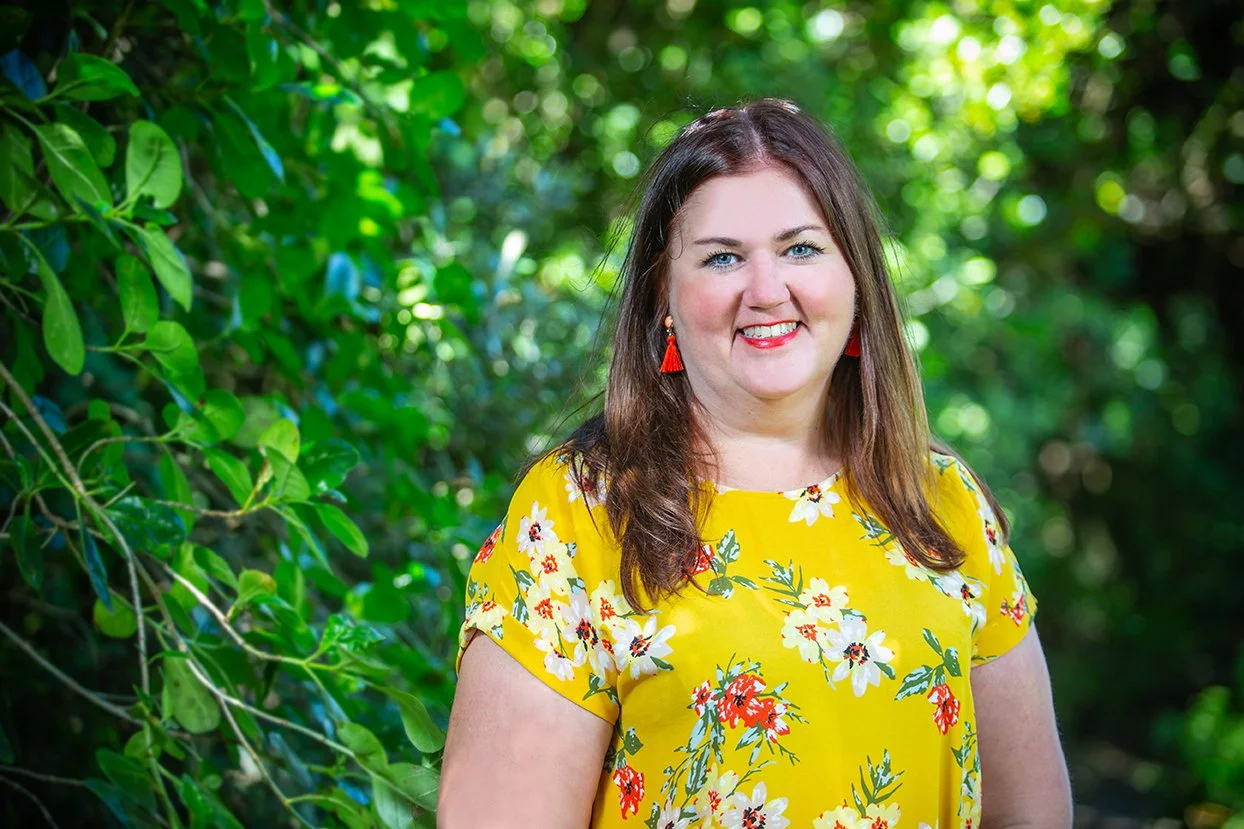
Dr Alison Collins is the Departmental Chief Science Advisor at the Ministry for the Environment, where she works at the interface of science, policy and decision‑making. With a background in geomorphology and soil science, Alison has spent much of her career helping translate complex environmental evidence into forms that can be trusted and used by government. Before joining the Ministry in 2017, she worked for more than a decade at Manaaki Whenua – Landcare Research, leading research across ecosystems, land use and soils, and supporting stronger uptake of science in public policy and practice.